Pet Planner Minimalist Design: A Graphic Designer's Essential Asset
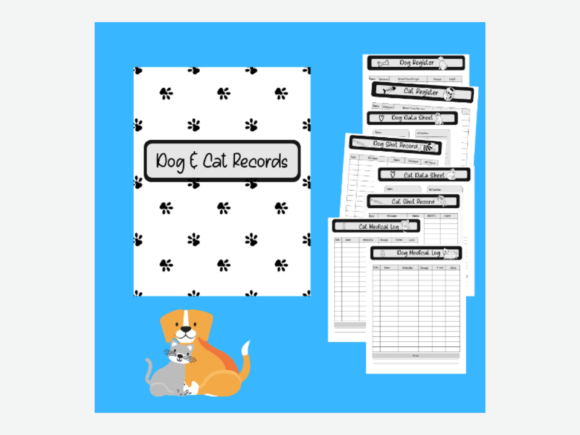
In the crowded market of pet care resources, a well-executed Pet Planner Minimalist Design stands out by prioritizing clarity and function over clutter. This approach isn't just about aesthetics; it's a strategic choice in graphic design that enhances user experience and brand communication. By stripping away unnecessary elements, a minimalist planner focuses the user's attention on what truly matters: organizing their pet's life efficiently and beautifully.
The Power of Minimalism in Visual Communication
Minimalist design is a cornerstone of modern visual hierarchy and professional presentation. It relies on clean lines, ample white space, and a restrained color palette—often monochromatic like black and white—to create a sense of order and sophistication. This style directly impacts usability. A pet planner with a minimal design reduces cognitive load for the user, making it easier to find information quickly. From a branding perspective, it conveys a sense of modernity, reliability, and thoughtful curation, which can strengthen a brand's identity whether it's used as a blog freebie, a lead magnet, or a digital product for sale.
Practical Applications Across Creative Projects
The versatility of a minimalist asset like this extends far beyond a single use. Its clean foundation makes it adaptable for a wide array of creative projects and design workflows:
- Digital Marketing & Lead Magnets: Use the planner as a high-value freebie to grow an email list. Its professional design reflects well on your brand.
- Social Media Graphics: Individual pages or elements can be repurposed into engaging social media content, promoting organization and pet care tips.
- Editorial Design & Content Upgrades: Integrate pages into a blog post or eBook to provide tangible value, enhancing the reader's experience.
- Web Design & UI: The clean layout principles can inspire interface elements for pet-related websites or apps, focusing on intuitive user navigation.
- Packaging & Merchandise: The aesthetic could influence the design of related products, such as pet treat packaging or branded merchandise, creating a cohesive visual system.
Maximizing Your Design Asset
To fully leverage a resource like a pet planner, consider its integration with your existing design elements. Evaluate its typography—is it readable and scalable? Assess the visual weight of its illustrations; in a minimalist setting, each line carries importance. The black and white format is a significant advantage, offering a blank canvas. It saves on ink for printing but also allows for easy customization. You can apply your own brand's color palette to highlights or headings, ensuring seamless compatibility with your current brand identity without redesigning from scratch.
When selecting any creative asset, consistency is key. Ensure the planner's design language aligns with your broader visual communication goals. Its minimalist nature should complement, not clash with, your existing materials. Consider your audience's expectations; a clean, organized planner appeals to users seeking simplicity and efficiency in their pet care routine.
Ultimately, thoughtful design choices are about enhancing communication and user engagement. A high-quality, minimalist pet planner does more than just list vet appointments—it demonstrates a commitment to thoughtful design that respects the user's time and attention. By investing in or creating such polished assets, designers and creators can deliver superior value, build stronger brand recognition, and produce work that is both functionally effective and aesthetically compelling.