Notepad Memo Pad Stationery: A Designer's Toolkit
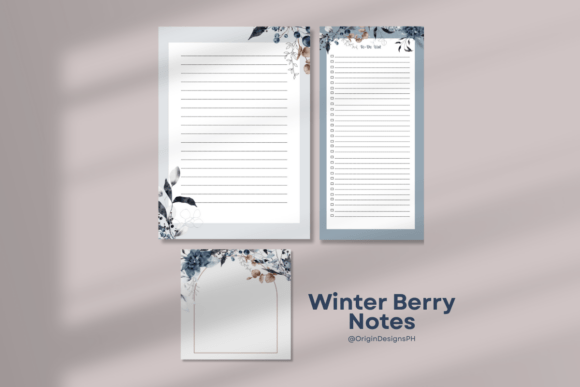
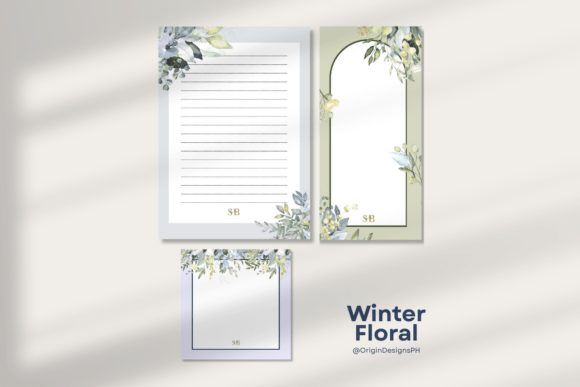
Every designer knows the struggle of a fleeting idea that vanishes before reaching the screen. Whether you’re a professional “list-maker,” a creative doodler, or someone who just needs to get those 2:00 AM ideas onto paper, this stationery bundle was made for you. In the digital age, the tactile act of sketching remains a vital part of the design workflow, bridging the gap between raw imagination and polished execution. High-quality Notepad Memo Pad Stationery serves as the foundational layer for brainstorming, wireframing, and capturing inspiration before the technical work begins.
Enhancing Visual Communication and Brand Identity
While digital tools dominate final production, the initial concept phase often dictates the success of a project. Utilizing structured stationery helps in organizing thoughts and establishing a clear visual hierarchy early on. For professionals in graphic design and branding, these assets are more than just paper; they are a canvas for developing a cohesive brand identity. By sketching logo design concepts or mapping out packaging design layouts on a memo pad, you can iterate quickly without the constraints of software menus, allowing for a more fluid creative process.
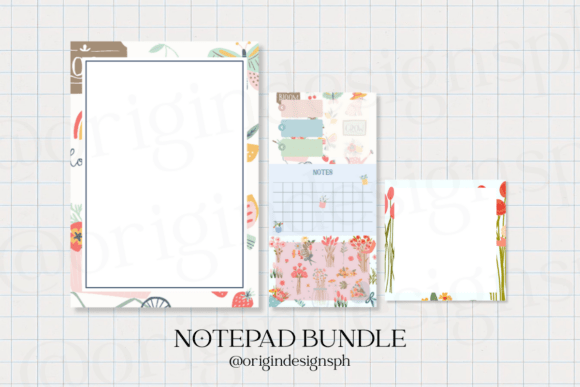
This particular bundle offers versatility with its variety of sizes, ensuring compatibility with different project needs. The inclusion of high-resolution PNG files allows for seamless integration into digital mockups, perfect for client presentations or portfolio pieces. You can use these templates to visualize how a specific typography choice or color palette interacts with physical media, providing a realistic preview of final print materials.
Practical Applications for Modern Creators
The utility of this stationery extends far beyond simple note-taking. It is a powerful asset for digital marketing and content creation. Consider how a well-designed memo pad can be featured in social media graphics to add a personal, authentic touch to your brand's narrative. It humanizes the digital experience, showing the "behind-the-scenes" effort that goes into creative projects.
Furthermore, these assets are invaluable for:
- UI/UX Design: Rapidly sketching user flows and interface layouts before committing to code.
- Editorial Design: Planning magazine spreads and article layouts with a focus on visual hierarchy.
- Presentations: Creating professional, styled props for video content or client pitches.
- Merchandise: Using the designs to create physical products for sale (per the license terms), expanding your brand's tangible footprint.
Integrating Assets into Your Design Workflow
Effective use of creative assets requires an understanding of scalability and consistency. When incorporating these elements into your work, ensure they align with the modern aesthetics of your target audience. The provided PNG format maintains high quality across various scales, which is crucial for maintaining a professional presentation. Whether you are designing for web design or print design, the crisp lines and transparent backgrounds allow for easy layering and composition.
To maximize the value of this resource, consider using it as a mockup tool. Place your own designs onto the memo pads to see how they might look in a real-world setting. This technique is particularly useful for packaging design and advertising campaigns, where context is everything. It helps bridge the gap between the abstract concept and the final product, ensuring that your design trends and choices are grounded in practical application.
Ultimately, the quality of your tools influences the quality of your output. Thoughtful design choices, supported by versatile and high-quality assets, streamline the creative process. By integrating these resources into your workflow, you not only enhance the aesthetic appeal of your projects but also improve the clarity and effectiveness of your visual communication, ensuring your ideas are captured and conveyed with precision.