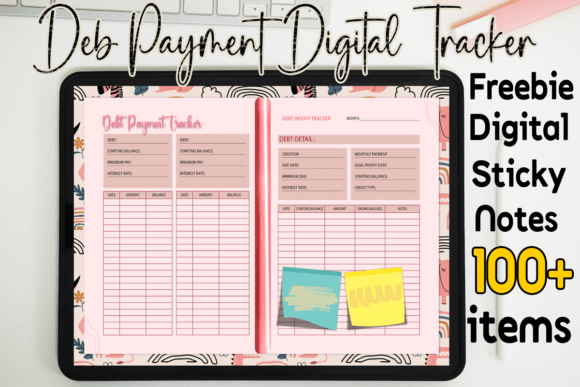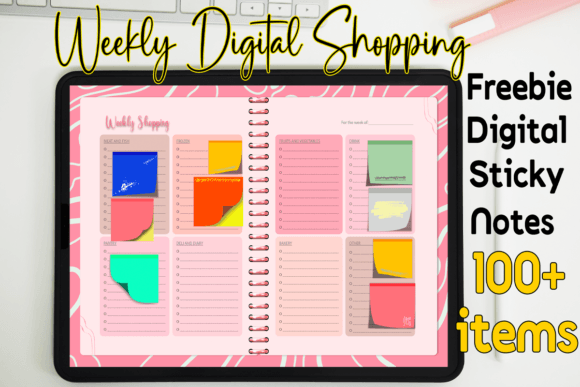
Streamline Your Finances with Digital Monthly Expense Tracking
For creative professionals and meticulous planners, the shift to a digital workflow is about more than just convenience—it's about precision, organization, and visual clarity. A Digital Monthly Expense tracker is a perfect example of this evolution, transforming the mundane task of financial management into a seamless, integrated part of your digital ecosystem. This approach is particularly powerful for designers and creators who value aesthetics and efficiency in equal measure, allowing them to manage budgets with the same care they apply to a color palette or typographic hierarchy.
The Visual Impact of Organized Financial Data
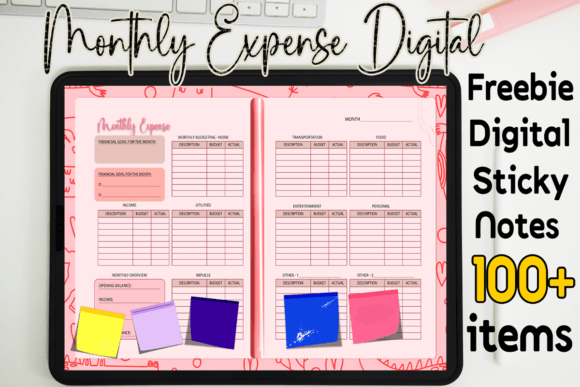
In graphic design, every element serves a purpose, from guiding the viewer's eye to conveying a specific brand message. Applying this principle to personal or business finance through a digital planner elevates the experience. A well-designed Digital Monthly Expense template uses visual hierarchy to categorize spending, employs a cohesive color palette to distinguish between needs and wants, and leverages clean typography for effortless readability. This isn't just about tracking numbers; it's about creating a clear, visually engaging dashboard for your financial life, which can reduce stress and improve decision-making.
Practical Applications for Creatives and Professionals
The utility of a digital expense system extends far beyond personal use. For freelancers and agencies, it's a critical component of project management and client billing. Integrated into apps like GoodNotes, Notability, or Xodo on an iPad or Android tablet, it becomes a portable command center. Consider these applications:
- Brand Identity & Consistency: Use a consistently styled expense tracker across all client projects to reinforce your professional brand identity. A cohesive visual language builds trust.
- Project Budgeting: Track expenses for specific creative projects—whether it's packaging design, web design, or advertising campaigns—ensuring you stay within budget and can provide clear reports.
- Design Workflow Integration: Annotate PDF receipts directly within your planner, link expense categories to project files, and maintain a single source of truth for all financial data related to your creative work.
Choosing and Using Your Digital Design Assets
Selecting the right Digital Monthly Expense freebie or premium asset requires a designer's eye. Look for templates that offer more than just lines for numbers. Evaluate them as you would any design resource:
- Visual Hierarchy and Layout: Does the design guide your eye naturally from summary to detail? Is the spacing (leading and kerning) comfortable for daily use?
- Color and Customization: A good template should be easily adaptable to your personal or brand color palette. Can you change accent colors or fonts?
- Functionality and Compatibility: Ensure the PDF is optimized for your preferred note-taking app (e.g., Noteshelf, Xodo). Hyperlinks, clickable tabs, and responsive layers are markers of a high-quality digital product.
- Scalability: The best assets grow with you. Look for systems that include yearly overviews, savings trackers, or category expansions.
Enhancing Communication Through Design
Ultimately, the goal of any design—from a social media graphic to a UI interface—is clear communication. A Digital Monthly Expense planner applies this core principle to finance. By presenting data in an organized, aesthetically pleasing manner, you communicate competence and control to yourself or to stakeholders. This practice mirrors the principles of editorial design, where layout, imagery, and typography work in concert to tell a story. The story here is one of financial awareness and intentional management, a narrative that strengthens both personal discipline and professional presentation.
In the realm of creative projects, every tool that streamlines a process and enhances clarity is invaluable. Integrating a thoughtfully designed Digital Monthly Expense system into your workflow is more than an organizational tactic; it's a commitment to applying professional design principles to all facets of your work and life. The right creative assets don't just look good—they improve functionality, reinforce identity, and ultimately contribute to a more polished and effective outcome, whether you're designing a logo or balancing a monthly budget.